











Beyond On/Off Signals: Why IO-Link is Key to the Smart Factory
In traditional automation architectures, field sensors are limited to sending binary signals (presence/absence) or raw analog values (4-20 mA / 0-10V). This approach leaves maintenance teams blind regarding the actual health status of components, forcing companies to endure costly unplanned machine downtime or conduct unnecessary schedule-based preventive maintenance.
IO-Link technology (IEC 61131-9) is the first open, point-to-point, universal I/O communication standard that enables the exchange of process data as well as diagnostic data and configuration parameters directly from the sensor/actuator to the control system or Cloud.
4 Operational Benefits of IO-Link-Based Predictive Maintenance
1. Real-Time Condition Monitoring
Smart IO-Link sensors continuously transmit health indicators (internal temperature, operating hours, lens dirt accumulation, vibration peaks). If a photoelectric sensor becomes obscured by dust, the system triggers an early maintenance alert before a line stoppage occurs.
2. Plug-and-Play Replacement (Zero Recalibration)
A major bottleneck when replacing traditional sensors is manual field parameter tuning. With IO-Link, when a faulty sensor is replaced, the IO-Link Master automatically downloads the saved parameters to the new device, reducing downtime from hours to minutes.
3. Simplified, Cost-Effective Wiring
IO-Link uses standard, unshielded 3-wire industrial cables (M8/M12). This eliminates the need for expensive shielded analog wiring and drastically reduces cable carrier and cabinet footprint.
4. Direct IT/OT Connection (Dual Talk)
Next-generation IO-Link Masters route process data to the PLC via fieldbus (Profinet, EtherCAT, Ethernet/IP) while simultaneously sending diagnostic data to enterprise MES or Cloud platforms via OPC UA and MQTT, without impacting PLC cycle times.
How to Retrofit IO-Link into Existing Plants
You do not need to redesign the entire production line to leverage IO-Link benefits. A modular approach allows smooth retrofitting:
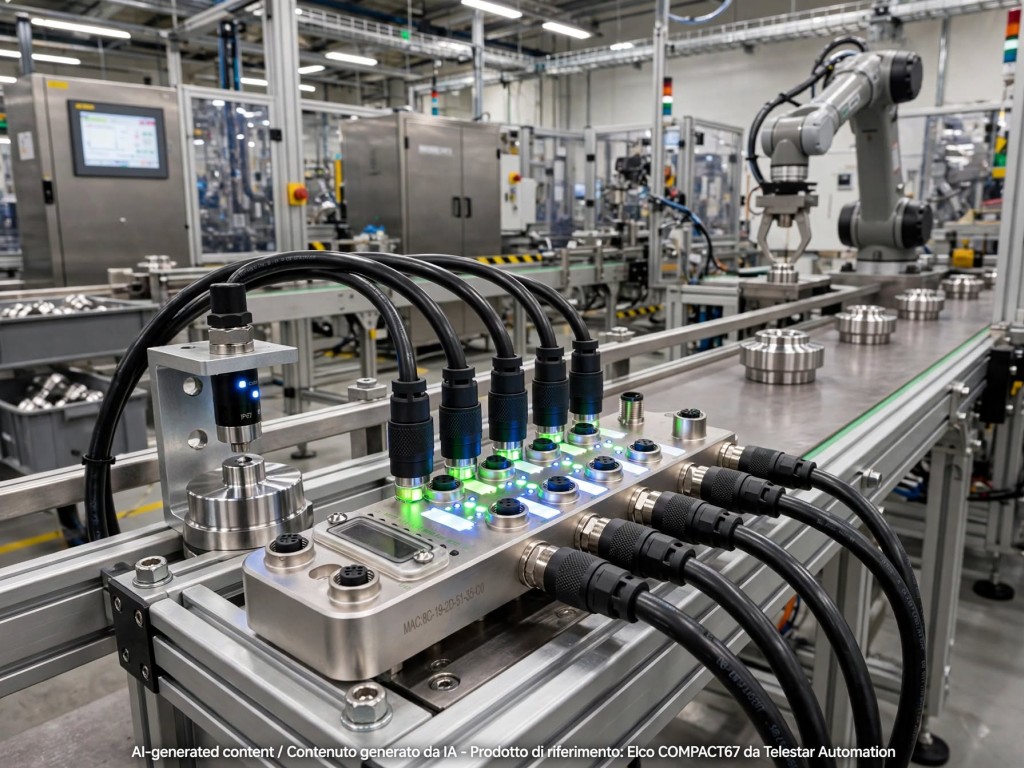
- Deploy Distributed IO-Link Masters: Mount IP67-rated master modules directly on the machine, close to sensor clusters.
- Upgrade Critical Sensors: Prioritize high-wear or failure-prone positions (e.g., positioners, pressure, or temperature monitoring).
- Integrate Diagnostics: Stream health metrics into SCADA software or maintenance dashboards.
IO-Link Solutions in the Telestar Automation Catalog
Telestar Automation supplies a complete ecosystem for factory floor digitization:
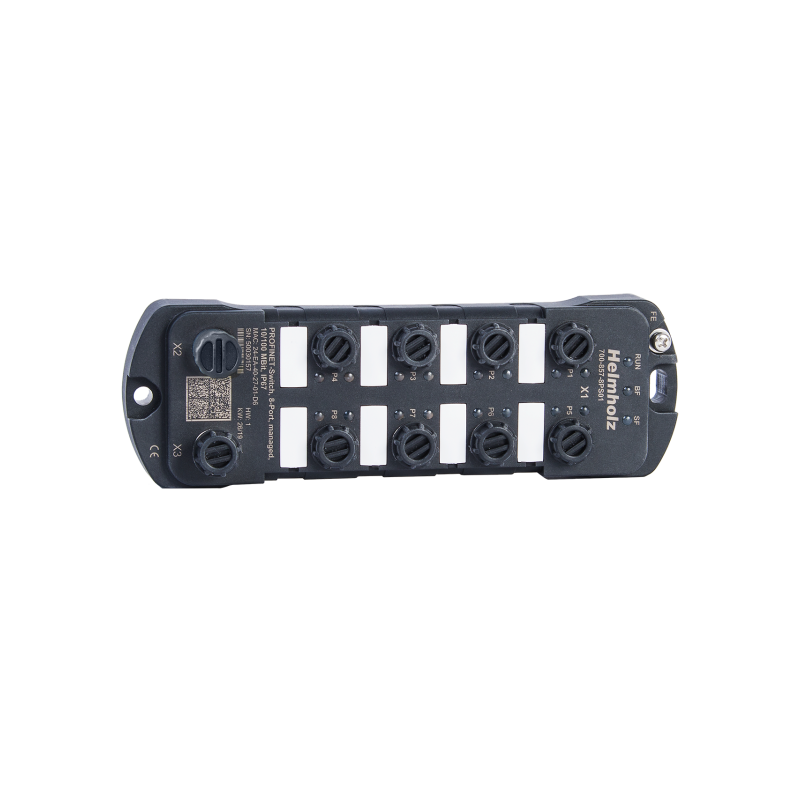
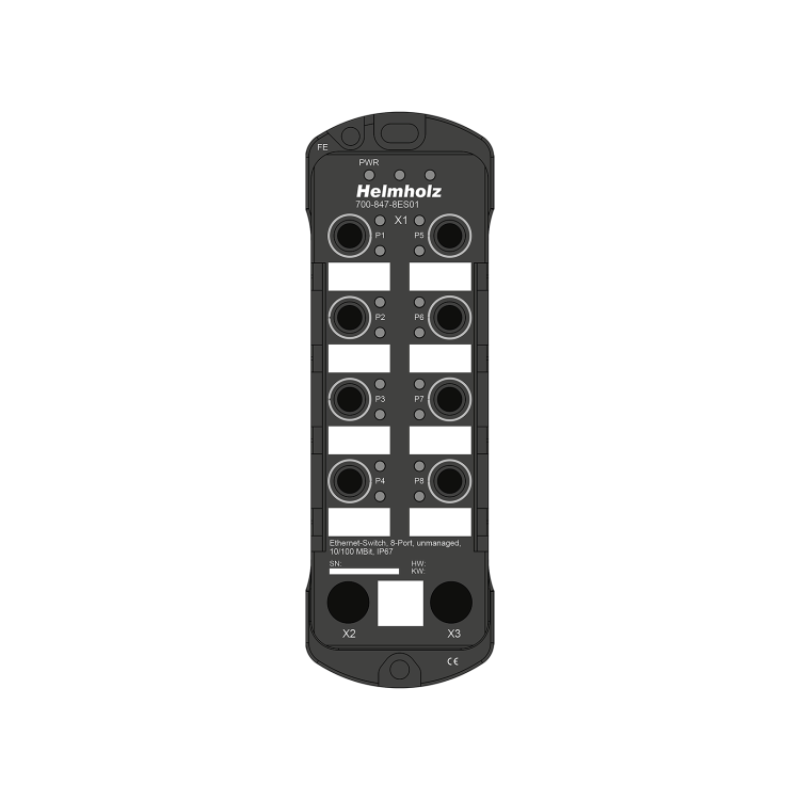
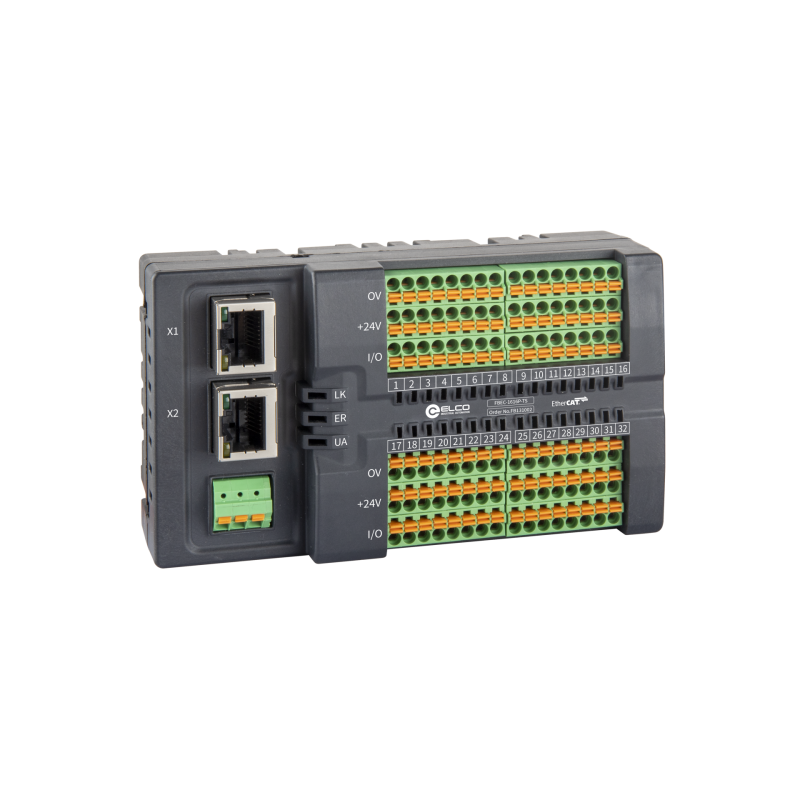
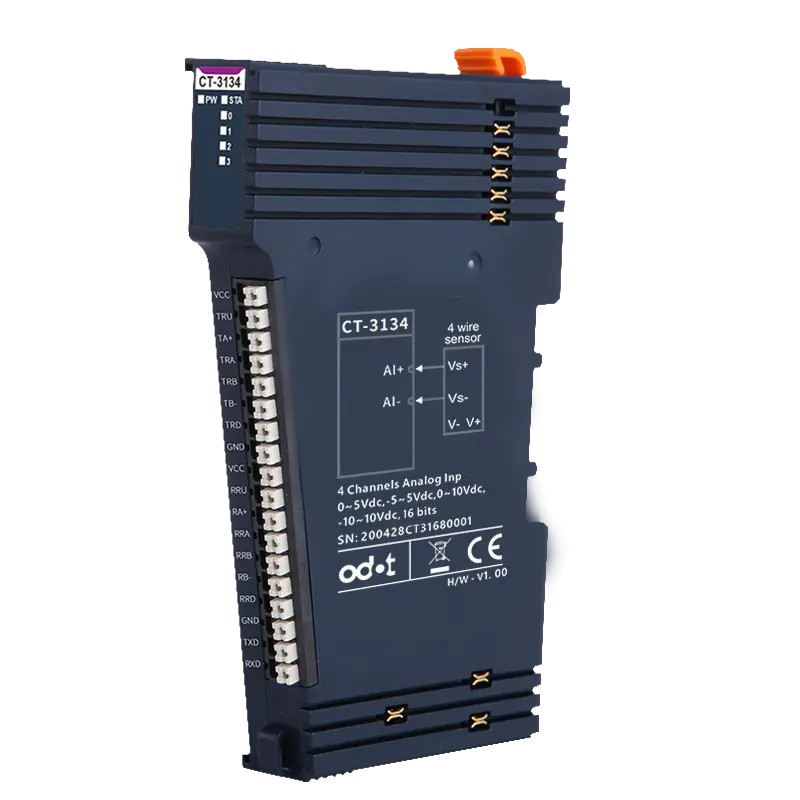
- ODOT & Helmholz IO-Link Masters and I/O Modules: Compact IP20 cabinet-grade and IP67 field-grade gateways compatible with major fieldbuses.
- Elco Inductive, Optical & Ultrasonic Sensors: Industrial sensor lineup with native IO-Link interfaces for position and presence detection in harsh environments.
- TR Electronic Absolute Encoders: High-precision motion feedback solutions supporting IO-Link for continuous dynamic monitoring.
Conclusion: Turn Field Data into Operational Efficiency
Adopting IO-Link technology transitions your operations from reactive maintenance to a true predictive strategy, cutting waste and maximizing overall equipment effectiveness (OEE). Explore the IO-Link sensors and masters category on the Telestar Automation shop for stock availability.